The hospitality industry has become a vibrant industry where creativity, culture, technology, eco-friendliness, and customer satisfaction have taken to the forefront. Educational venues have also seen the need to adapt to this shift by providing the right kind of environment for learning, staying aware of the industry’s current needs, providing exposure and practical training; selecting an institution is no longer only about academics but about the right environment that encourages creativity and professionalism that is globally aware. Hotel management colleges in India keep adapting to shape new learning methods that give the hospitality industry what it needs: excellence in service and management.
The Importance of Learning in a Rich Cultural Environment
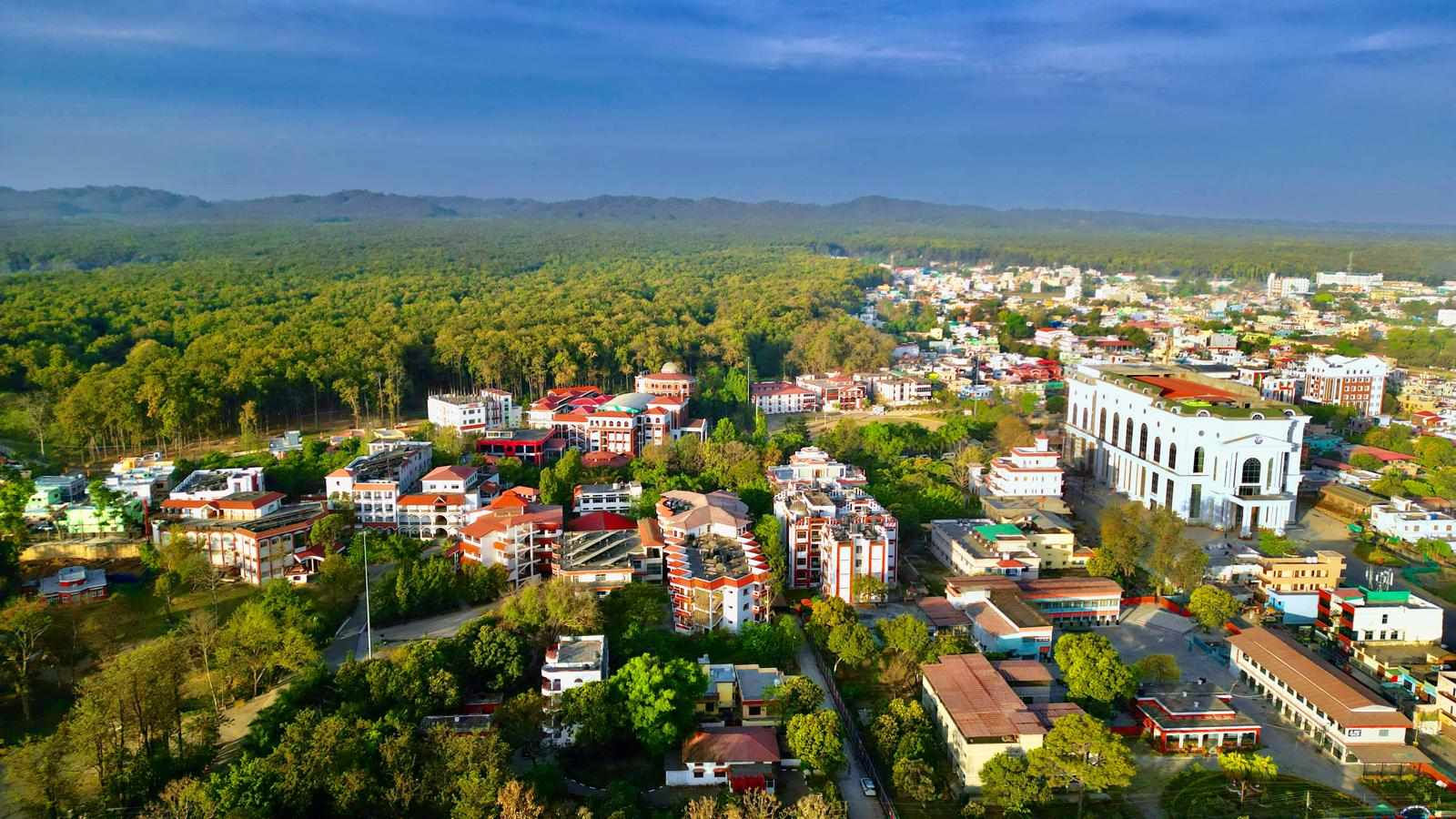
A school's location can make a big difference to the whole learning experience. In an area where there is stunning scenery, historic buildings, and attractions for tourists, for example, hospitality studies can be truly inspirational. Students can be introduced to varying customs, foods, and customer expectations.
Tourist destinations naturally create the chance to observe the level of hospitality in hotels, resorts, restaurants, and travel agents. Developing one's knowledge in this context promotes an overall awareness of customer service and promotes flexibility and professionalism.
Why Academic Infrastructure Makes a Difference
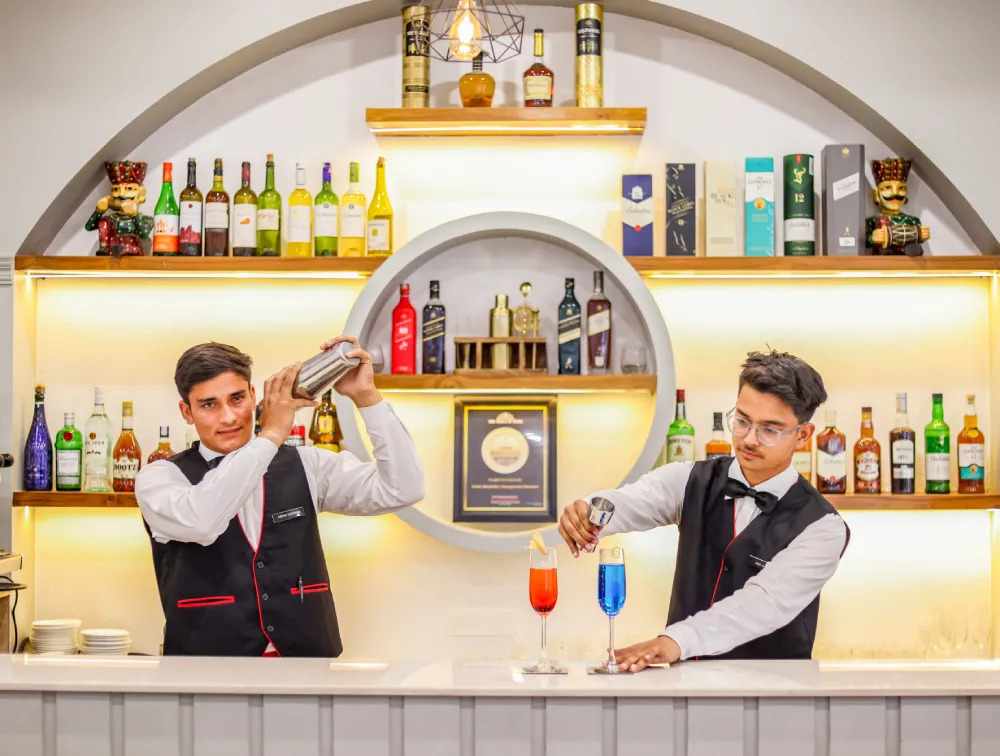
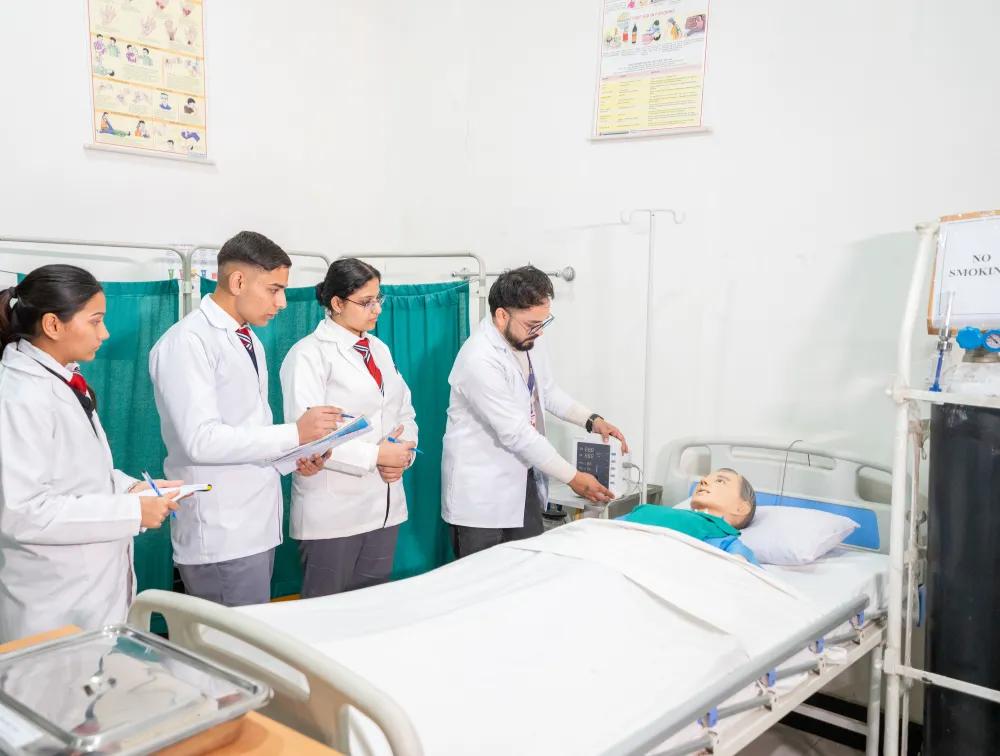
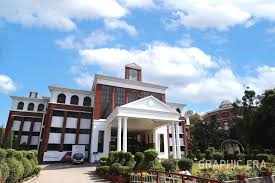
Infrastructural facilities are one of the immense supports for hospitality education. State-of-the-art kitchens, bakery laboratories, training restaurants, simulated hotel rooms, conference halls, computer laboratories, and language learning centres are the exemplary adjuncts.
Besides, many institutions make alliances with hospitality organisations to provide industrial training and live projects. Such exposure is instrumental in enhancing the students' practical knowledge by educating them about various standards of operation in different hospitality departments.
Having access to hospitality journals, management Journals, and E-learning resources in libraries can improve students' academic development. Relaxed campus, Refreshment centres, and learning Lounge can improve the productive capability of students.
Learning Excellence Through Regional Hospitality Standards
Many educational destinations in various parts of our country are being honoured as the top providers of hospitality education. With so many prominent names from the hospitality education field, the hotel management colleges in Dehradun have a single column of attraction on the basis of their educational atmosphere and scenic beauty, besides extensive practical hospitality training.
In this region, courses traditionally integrate classroom plus industry-based work, culinary innovation, events in the hospitality sector, or tourism. The secure situation allows focus on the courses, but the hotels, resorts, and tourism destinations thrive.
The quality of a natural setting combined with a high-quality education creates a stimulating educational environment that has many more rich experiences than one would generally expect.
Innovation Shapes Hospitality Education
Innovation is an integral part of hospitality learning. A few of the applications are smart classrooms, virtual demonstrations, digital hospitality management programmes, the process of sustainable food production, and ecologically responsible hospitality practices.
Students are also invited to join culinary competitions, hospitality fairs, cultural festivals, research activities, and collaborative projects to develop creativity and self-confidence, in addition to learning by bringing practical solutions to actual hospitality issues.
Educational institutions promote innovation through entrepreneurship programmes, research, and interaction with other businesses, which allow the innovator to broaden their work outside the industry.
Building Hospitality Through Lifelong Learning
The scope of the hospitality industry is ever-emerging and expanding in scope with the advancement of technology, shifting paradigms of guest expectations, and major tourism movements globally. In order to move along the trend in the future, concerned institutions encourage continuous learning through the institution of seminars, certification courses, workshops, and even research projects.
A solid educational background advances professional development by encouraging open-minded enquiry, flexibility, ethical conduct, and dedication to superior service. Ongoing enhancement continues to be regarded as a vital element of hospitality education.
Conclusion
Education on hotel and restaurant management has emerged as a perfect intermingling of critical administrative knowledge, strong practical exposure, underpinned by modern technological exposure, and a vision of world-class operation and understanding of cultural and behavioural skills. Balanced educational exposure in such hotel and restaurant colleges helps in attaining professional competence and service delivery competency. The owners of hotel management colleges in India continually work towards strengthening the excellence in hospitality education by providing cutting-edge laboratory facilities, modern classroom methodology, and world-class exposure at the workplace too.
Similarly, these hotel management colleges in Dehradun attract MBA hotel management aspirants in broad terms, coupled with the nourishment of tourism exposure, a pragmatically oriented format of training, and holistic academic evolution.


Write a comment ...